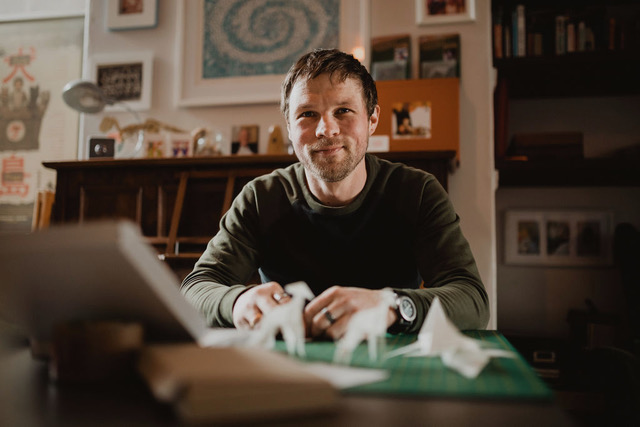
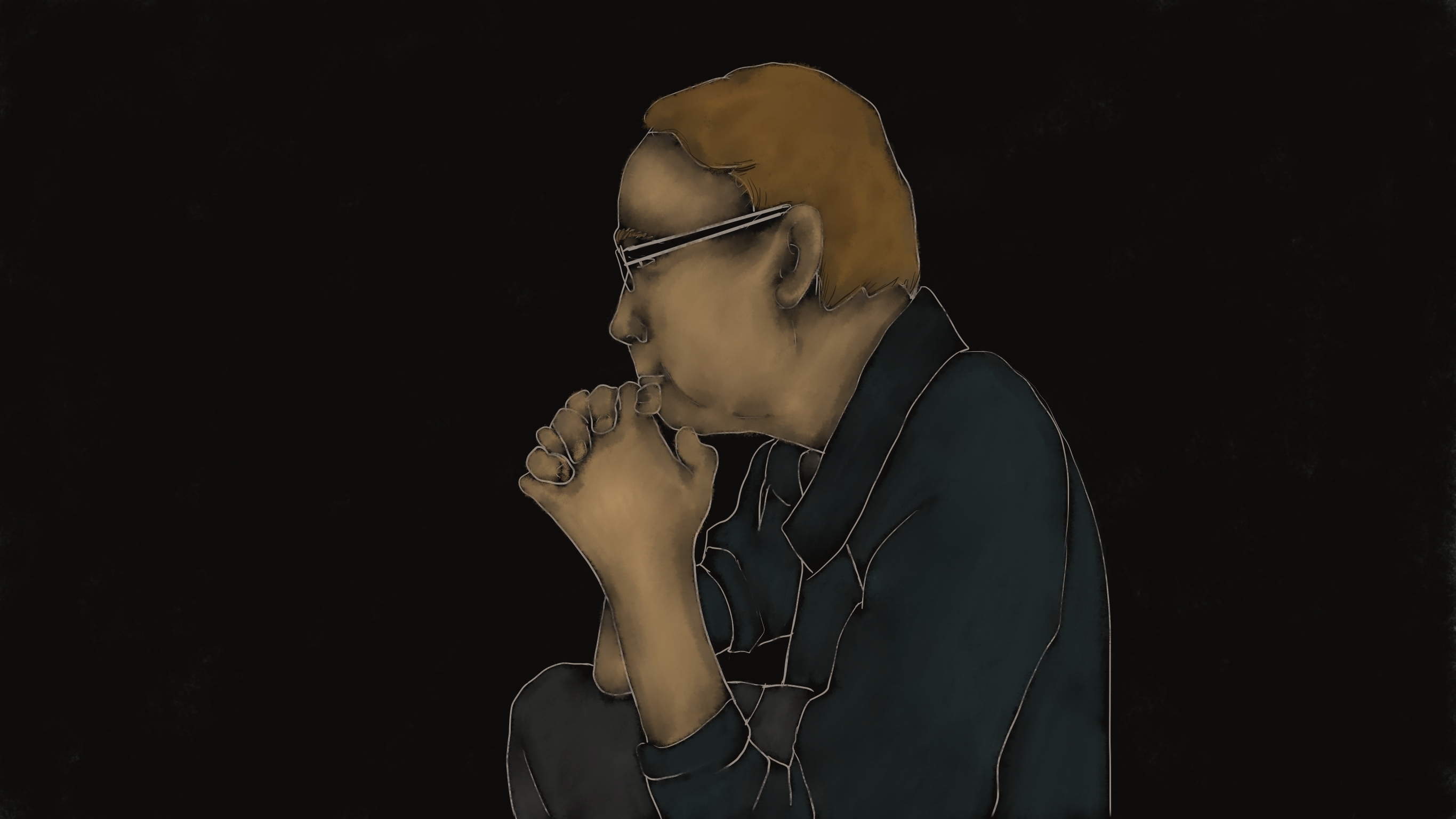
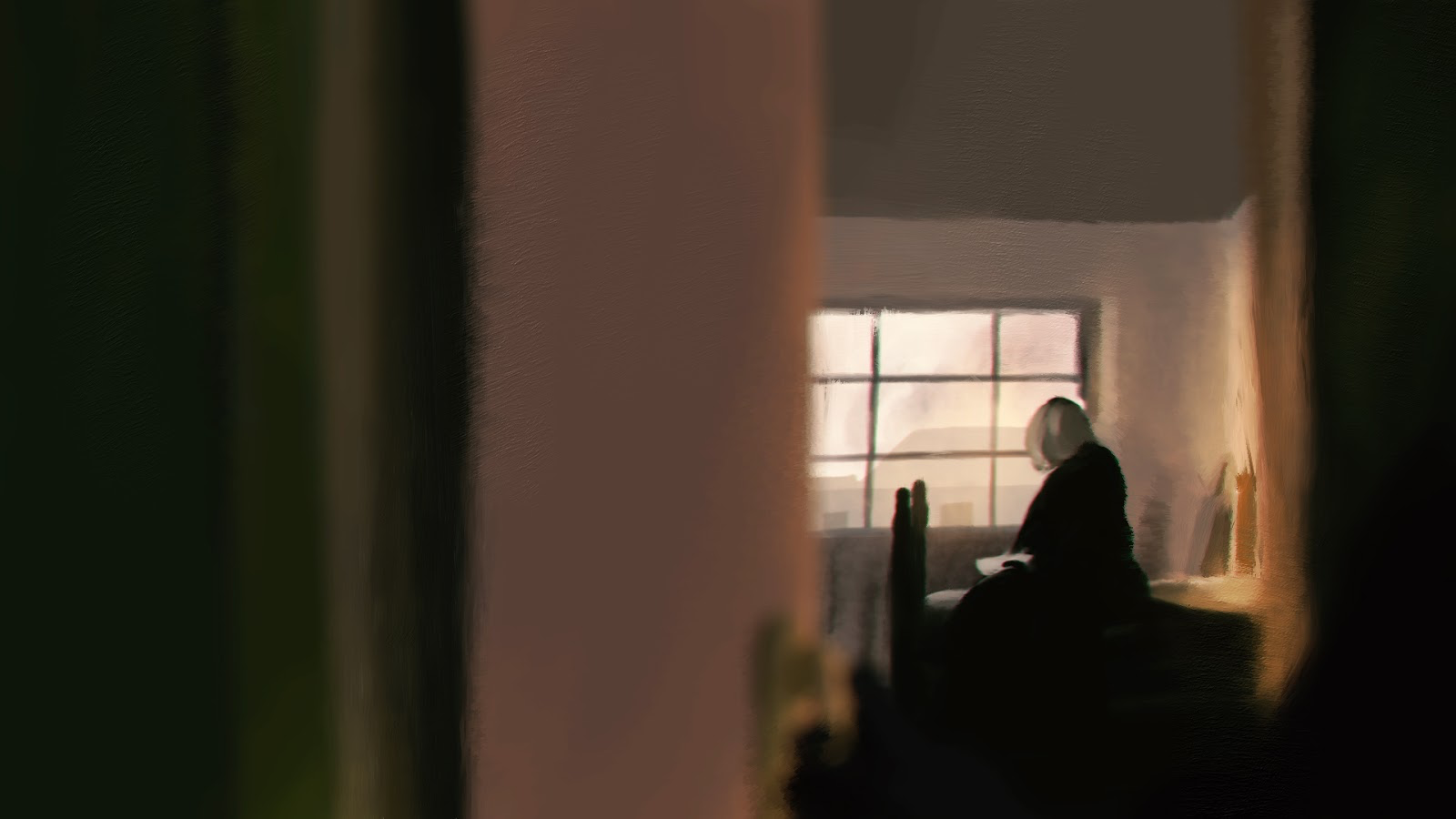
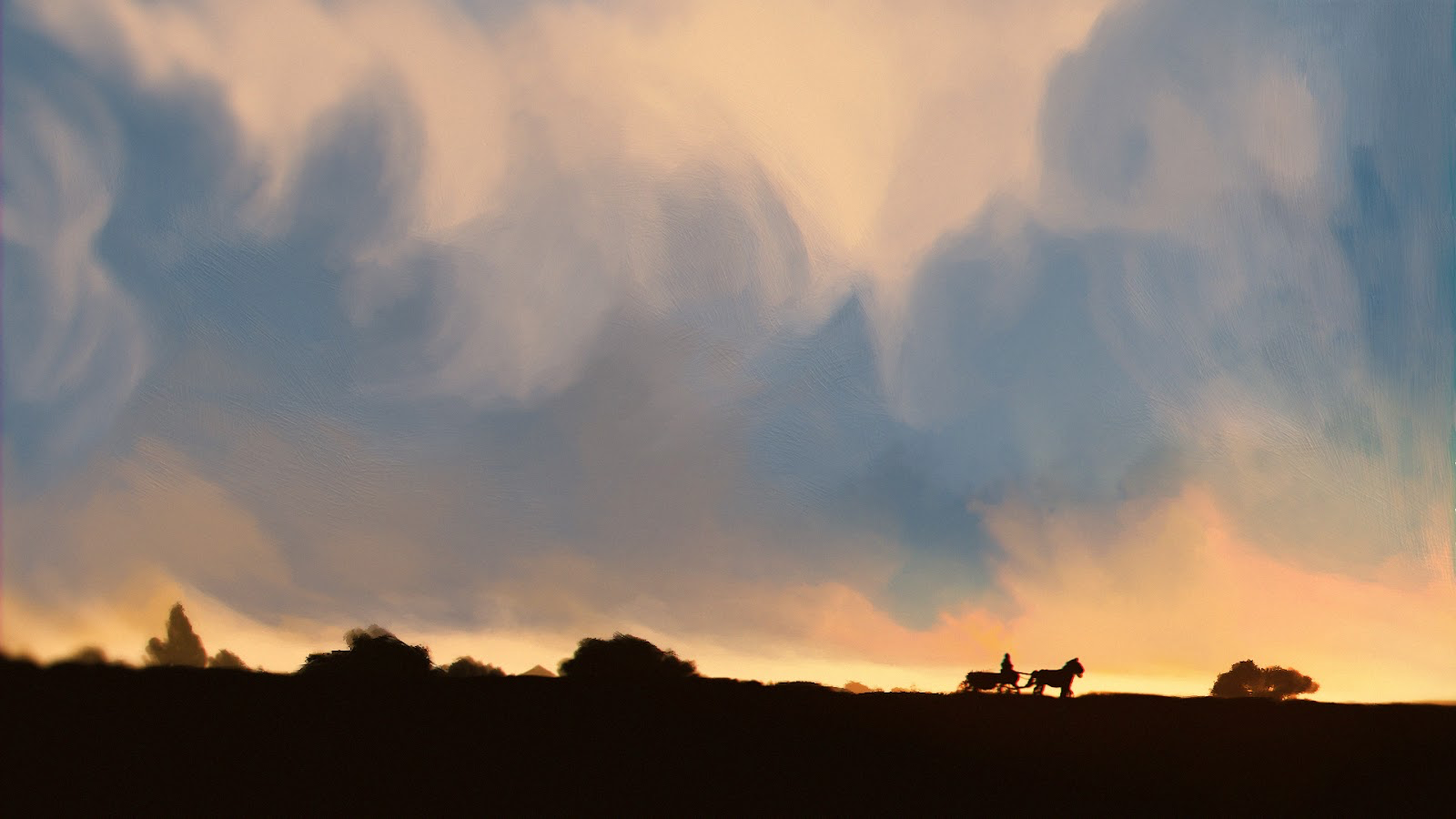
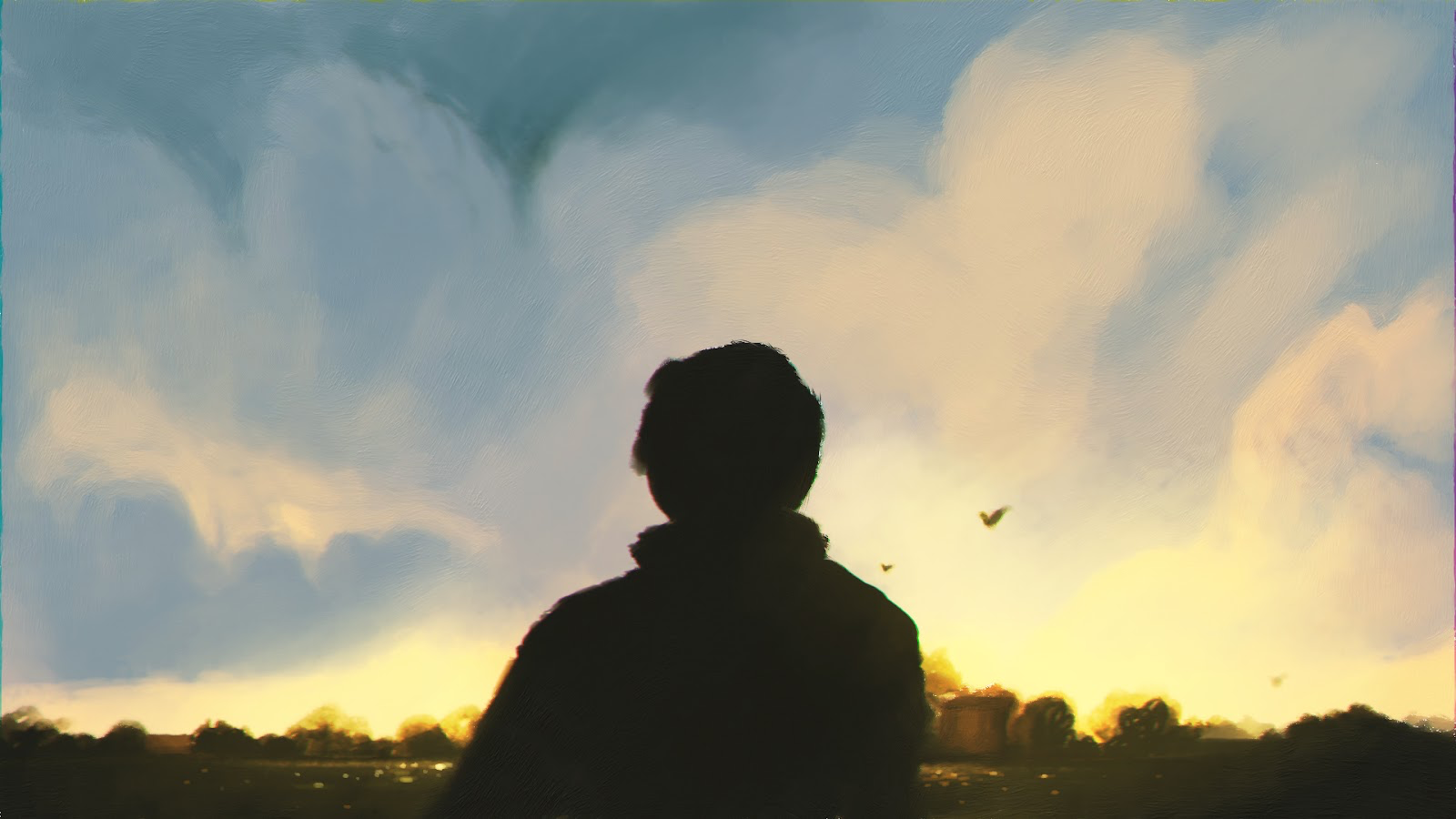
Cecile Fountain-Jardim is an American animator based between London and New York. With a practice centered around storytelling through image, she uses tactile, mixed-media animations as the medium through which to create and tell intimate human-centered narratives. An RCA MA Animation graduate, Fountain-Jardim’s films have been screened at venues such as the British Film Institute and the BBC Television Centre in London.
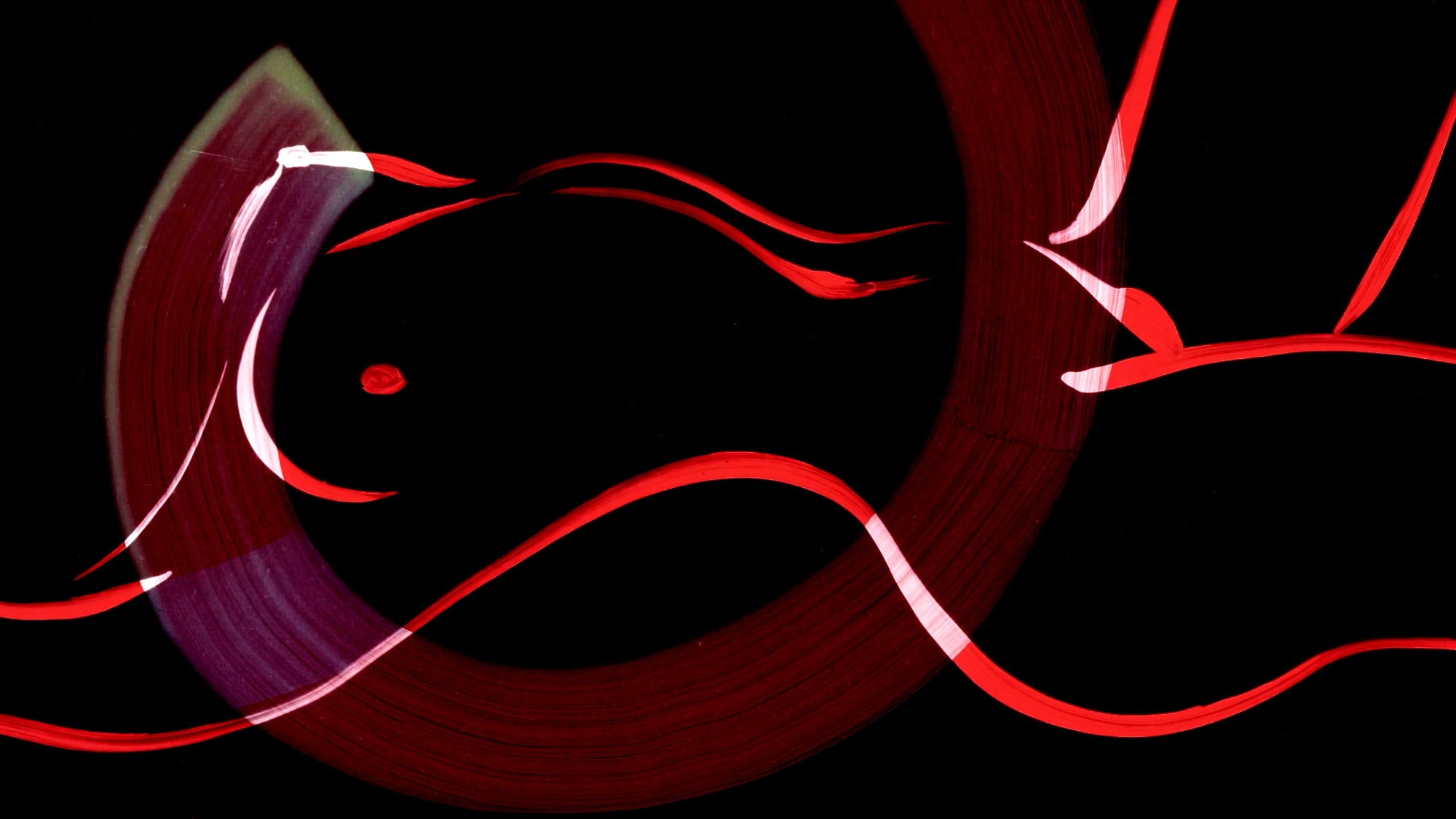
We interviewed Fountain-Jardim about her 2026 film Doug + Me, an autoethnographic animated documentary short centered around the story of her uncle Doug, a victim of the 1990s AIDS epidemic.

Can you describe the initial development phase of this film? Why did it feel like the right time to tell the story?
I had been thinking about making this film for quite a while, about a year or two before I started making it. I had gotten to the point in my practice where I had started thinking, “What can I make that feels like the most important thing I could possibly make right now?”, and this story was the answer to that. I’d had it in my mind for a few years that this was a story that I had to tell, and something in my life that I wanted to explore and come to understand through the making of a film. I want to tell stories that resonate deeply, to both myself and others, and this was such a resonant story to me that was begging to be told at some point. When I started my MA at the RCA, an entire year of dedicated time to focus solely on a single project, it felt like the right opportunity to give the space and profound focus to this story that I felt like it deserved.
Were there any particular influences or inspirations in terms of other filmmakers or artists?
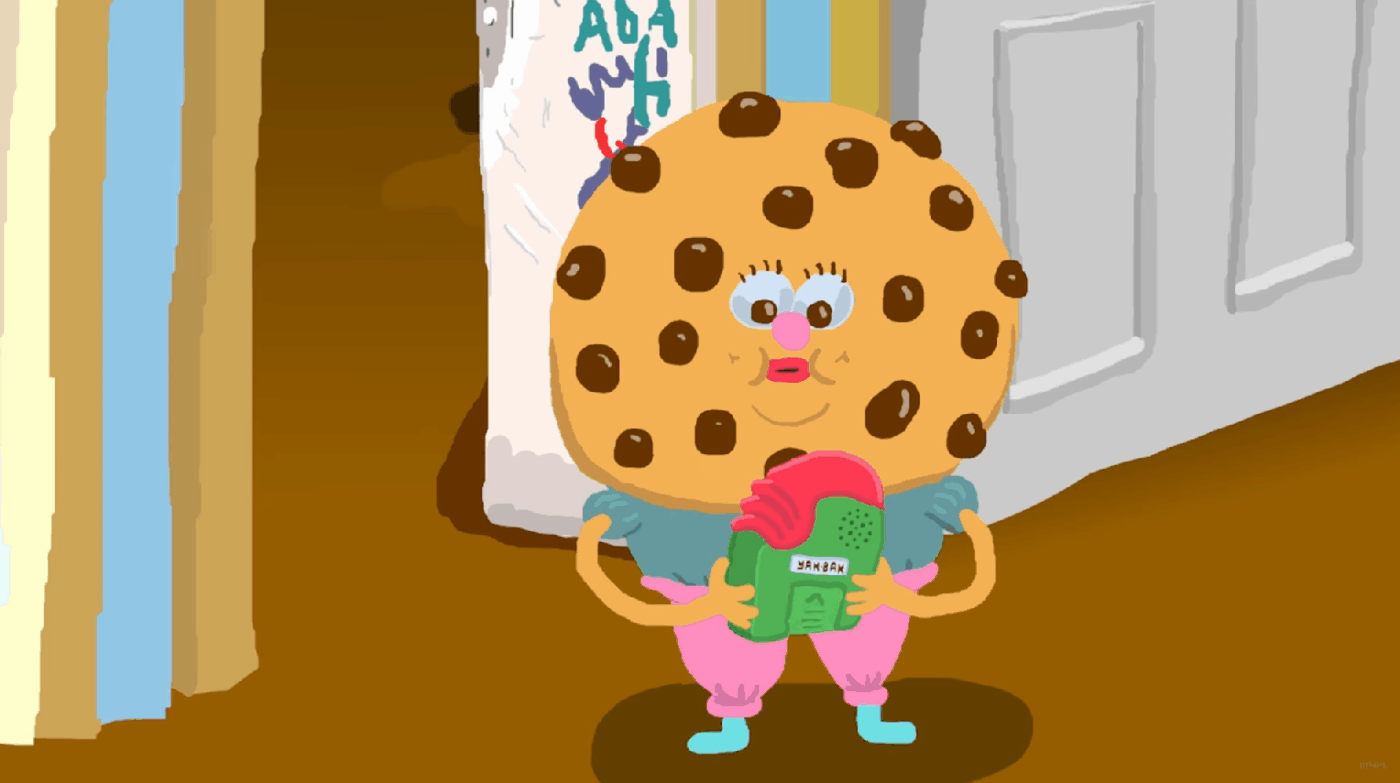
From the start, story-wise, I focused a lot on films like Mommy by Maggie Lee, Love, Dad by Diana Cam Van Nguyen, and A Taste for Music by Jordan Antonowicz-Behnan. All of those films had done something that spoke so strongly to what I wanted to do with this film, both visually and in terms of tone and storytelling. I loved how they all told stories centered around an extremely personal history relating to a family member, at the core of which were the expression of deeply-felt human emotion. All of those films feel so authentic and full of heart, and work so well to make the viewer feel something. I saw those films and thought, I want to make a film that does the same thing. Visually, I was very strongly inspired by all of their collage-like styles, and the way they wove together archival elements like photos, footage, and documents with animation, in a way I found very personal and tactile and lent such emotional accessibility. I wanted to use a similar visual style for the film in a way that felt like flipping through an archive of someone’s life and memory splashed onto the screen.
Beyond those films, I took a lot of inspiration from AIDS documentaries from the 80s and 90s such as Life and Death on the A List and Common Threads: Stories from the Quilt. I really studied the way that they approached telling the story of AIDS from such a deeply, emotionally, human perspective. They focused in on individual stories within this huge historical tragedy and really communicated the weight of those individual losses. There’s a quote from the documentary Paris is Burning in which a subject says, “You left a mark on the world if you just get through it and a few people remember your name, then you left a mark. You don’t have to bend the whole world”. That was hugely influential.
Were there any complexities involved in telling such a personal story? How did you approach involving your family as interviewees?
Yes, and this was definitely something that was very much on my mind from the start of making the film. I love making very personal films. I think many of the strongest films are deeply personal, because so much of the artist gets put into the film, and the resulting work reflects the maker so deeply, in a way that cannot be done by anyone else. I think there’s a lot of strength to the advice, “Tell the story only you can tell”. But telling such a personal story definitely makes the entire process feel quite fraught in a way, because it’s so wrapped up in so many emotions and ties you have to the subject material and the people in it. You’re so close to the material, and while that’s a strength in many ways, it can also blind you in others, and complicate decisions about what you ultimately decide to put into the film. When I was conducting the interviews with my family members, it was with people I know and love, and I was really comfortable with them off the bat, which is an amazing thing to have for an interview. But I was also very aware of the fact that it was a sensitive subject for them, something that has hurt them deeply and that they are still dealing with decades later. You of course never want to hurt the people that you love, whether that’s with the interviews or with the final cut of the film. So there’s a bit of a tension that exists between wanting to be sensitive to them but still making the film that wants to be made, without having what you think they want to see and hear affect that final outcome to an extent that makes the final film less good than it could be.
But again, it was also such an asset, because I could also do so much with the interviews that I couldn’t have done with strangers or people less close to me. When I conducted the interview with my mom, she cried almost immediately, and I knew that that was okay because there was a trust and level of comfort there that wouldn’t be there with others. And in her interview, we conducted it as she was flipping through photo albums, rather than in a normal sit-down interview, and that ended up being the strongest interview I got because of the fact that I did it that way. I wouldn’t have conducted that interview in that way with anyone I was less comfortable with, and being so close to her lent such a strength to her interviews that really led to such an amazing result to come of it.
Did you know you wanted to use a mixed-media technique from the beginning or did this evolve during the development processes?
I did know from the start that I wanted to use a mixed-media technique to tell the film. I love using found footage in my films. I love pulling in found photos, and documents, and ephemera, and having it be tactile and cluttered and unrestrained. I love tactility. I love having the fingerprints of the maker all over the film, and leaving no question over whether it was made by a human being. I was so inspired by films such as Maggie Lee’s Mommy that use a collage of found and created elements in a way that just feels so bursting with creativity and heart. Watching that film, I felt so connected to her. That film feels so deeply human and so deeply emotional, and I think so much of that is because of the visual style, because she brought all of those collaged archival elements in. The mixed media nature of it makes it feel so unedited, so unpolished, so raw, and therefore so authentic. I came into this film knowing that I wanted to do the same thing. I wanted to use a visual style that made the viewer feel like they were watching the contents of a life spilled out onto the screen, so that the emotional closeness to the story was really felt by the viewer through the way I communicated it visually. Mixed media felt like the natural way to do that.
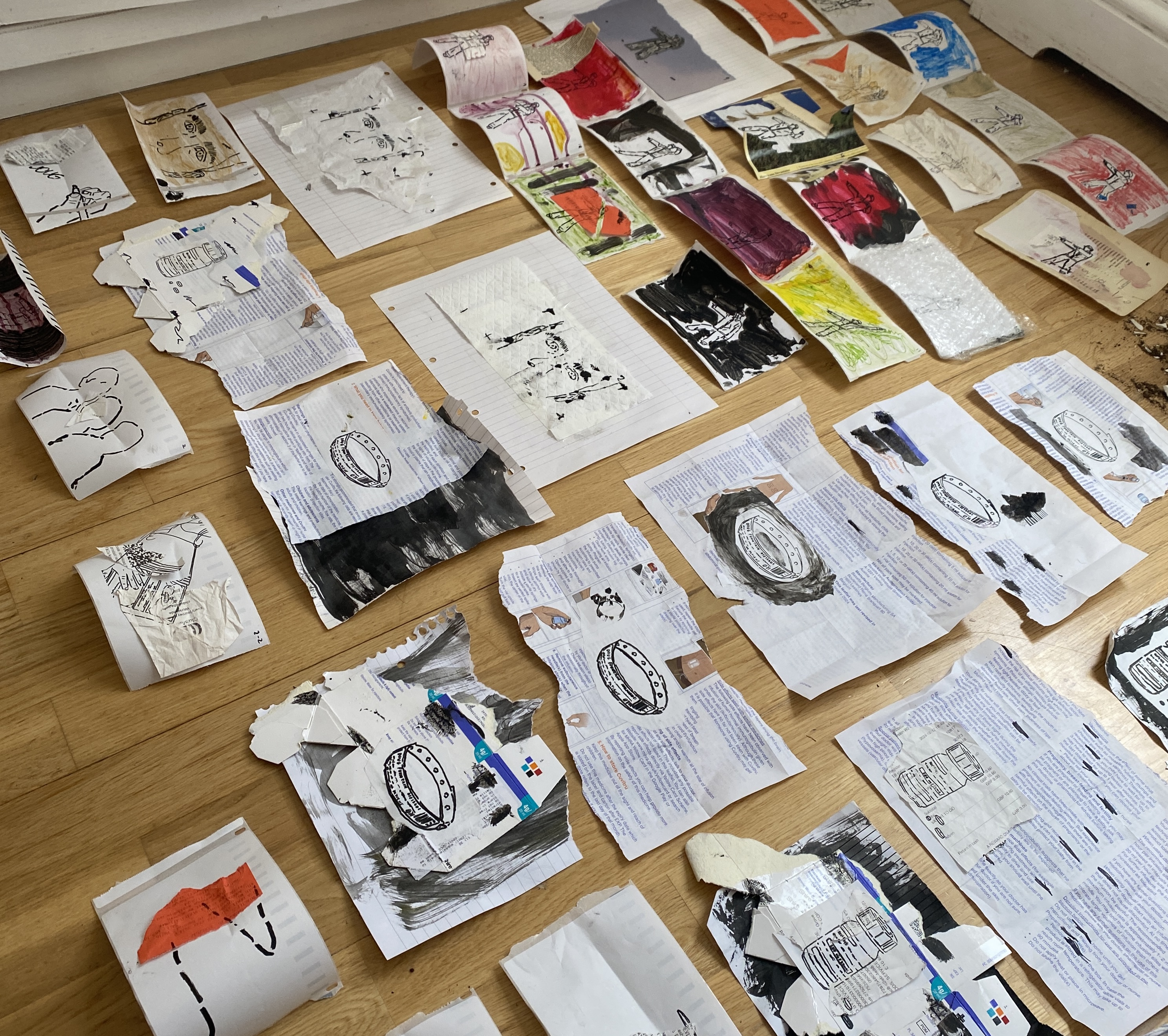
Can you describe your production processes, both in terms of interview and editing, and the creation of the visual material?
For the initial development of the film, I did a lot of research into LGBT and AIDS history, especially around the time that Doug lived with it, because I had a really strong sensitivity to the fact that had not I lived through the AIDS epidemic in the 80s and 90s, especially not as a gay man with AIDS, even though I was telling a story about that specific experience. One of my biggest fears with the film was telling the story from too much of an anthropological-type outsider perspective in a way that felt like I was telling a story that wasn’t mine, and that didn’t give proper emotional weight to something that had impacted so many people, including members of my family, so incredibly deeply. My goal was emotional closeness, to make the viewer feel deeply and connect deeply with mine and Doug’s story, and so really getting myself acquainted with and knowledgeable about the subject matter was what I felt was the best way to avoid that distance. I actually read a lot about queerness and queer theory, too, to better understand and connect with my own queerness. And I did so much research into Doug, to find out as much as I could about him, to understand him as fully as I could in order to feel that I could tell his story in a way that he deserved. That included hours of recorded interviews, even though none of it actually made it into the final film other than a 5-second clip of me asking to hear about him. That was definitely not expected, but when it came to it, I just had no time to fit any of the actual recorded interviews into the film’s very short runtime, which is how the voiceover narration of Doug’s life and personality came about. I was very stressed about that limitation at the time, but now I think it fits the concept of the film quite well, so it ended up being a bit of a happy accident. From there, I wrote the script, which for me is always the load-bearing component of the film, and then all of the animation just sort of came along naturally from there, with very little pre-planning and largely as a very improvised reaction to what was there in the film’s narration.

In general, my production process is very messy. It’s a lot of thinking through making, and making decisions when I’m halfway through doing something, and inevitably changing the plan any number of times throughout the course of completing the project. I’ve tried to make my production process more streamlined, to start with a full storyboard and then a full animatic and then a full rough cut following an organised production plan that I set at the beginning. But for projects like this, where I don’t have clients and am not tied down to the amount of organization that working with other people requires, I find that I really like the freedom of working in such a disorganized, free-flowing way. I will make about ¼ of a storyboard, and then jump to making the animatic, and then jump back to working on a different part of the storyboard, and then jump all the way to making pieces of the final film and just not finish the storyboard at all. I plan what works for me to plan and just follow the flow of what I am inspired to do within the making of the project when it strikes me for the rest of it.
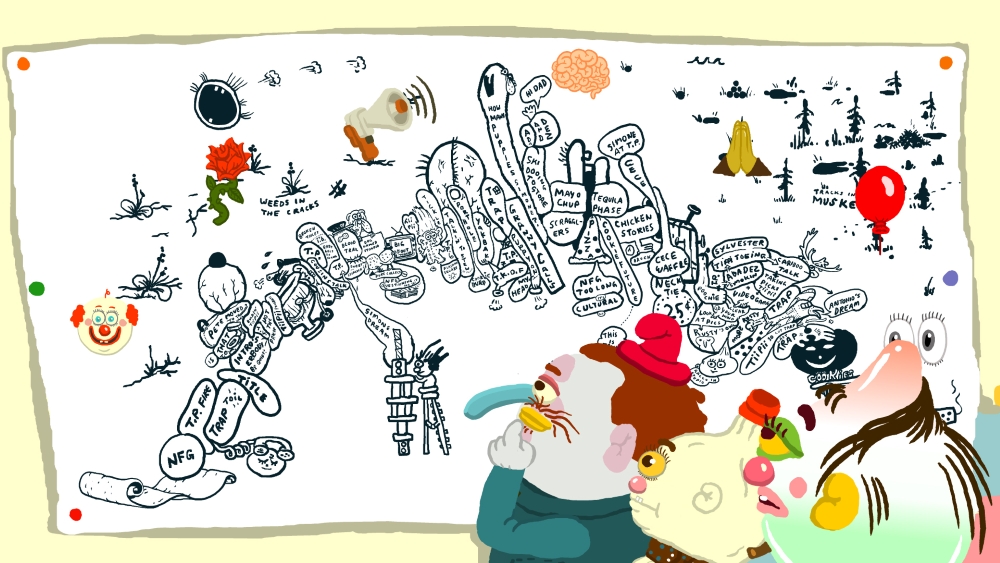
For this film, I knew that I wanted a mixed media style that incorporated lots of archival materials and lots of tactility, but I didn’t know exactly what materials I wanted to use and what I wanted it to look like, and I didn’t want to limit myself by testing one technique and then forcing myself to only use that throughout the entire film. I am a very big overthinker and a very big perfectionist, and if I allow myself too much time to plan something, I can completely block myself from ever doing anything at all, and I wanted to just make without getting in my own way. I would say, “I think I want to try using collaged photos under inked linework”, and then I would make a shot using that technique, and that would be the testing, experimentation, and final outcome for the actual film all in one go. The experimenting came with very little forethinking and very much just allowing myself to make without overthinking it, which I think really worked for me and allowed me to discover amazing outcomes that wouldn’t have come into existence if I hadn’t allowed myself the openness of not having any rigid sort of plan. I think with all of my projects, the best outcomes are always things that happen when I have to change my plans midway because something ended up not working like I thought it would. Some of my favorite parts of most of my films have been things that weren’t part of the original plan at all.
Did you have any breakthrough moments during the process of making the film?
When it came to the scriptwriting phase of writing the film, I got very, very stuck. I had done all the research, conducted hours of recorded interviews, collected all the documents and photos and archival footage that I needed to tell the story, and suddenly I was at the stage where I had to turn that all into a real film. For my films, the script is everything – the true heart of what the film actually is, and everything else, including the animation, just sort of falls into place as a natural way of illustrating that story in video form. Because this film was so important to me in so many ways, I had so many expectations for myself for what this film needed to be, which put a lot of pressure on the final product. There were also just so many ways I could take the film, infinite possible films that could exist, all varying levels of better or worse than each other. Added on top of that was the fact that I had collected hours of interview footage and needed to fit that and the results of all of my months of research into the very small package of a 5-minute film. That was a huge challenge. I got really in my head about it all, and ended up being blocked for about a month.
The breakthrough came when I started talking to other people about the script. Just talking through it out loud, hearing myself and thinking through speaking, I found that I immediately realized things about what the essential structure of the film needed to be, and what did or didn’t need to be included. I was able to draft a very imperfect version of the script, which I then took to a group of fellow filmmakers, and with their help, went line by line down the script shaping it into its final form. That act of seeking out feedback and co-creation from trusted collaborators in that phase of the writing process was a complete breakthrough for me, and is something I will be taking into the way I make all of my films from now on.

Was there anything that happened in the film’s production, or in how it has been received, that has surprised you?
I was wonderfully surprised by just how close the process of making the film made me feel to Doug, in different ways than I had expected. When you are making a film so centrally focused on telling someone’s story, you of course expect to get to know them and in doing so gain a sense of emotional closeness to them that wasn’t there before you began. I did get to know Doug in so many ways that I hadn’t before, and that was such a wonderful feeling to come to know more about this uncle whom I had never met but whom I had always known had had such an integral role in the story of my birth. But also, unexpectedly, I was amazed to discover so many little synchronicities that emerged during the process of researching and making and editing the film that connected Doug and my lives and experiences in such small yet profound ways. For example, I have a chronic illness, a Primary Immunodeficiency, and Doug died from a disease that is very much known and defined by its characteristic of causing immunodeficiency. There were so many strange little details like that one that came up over the process of researching, writing, and editing the film that felt each time like discovering another little thread tying us to each other. It was so beautiful and unexpected to discover them all, and to grow a sense of connection to him way more deeply than I had ever anticipated.
What are your hopes for the film in terms of audience and impact?
I hope, above all, that the film makes people feel something. When people tell me that they cried watching the film, that is the most wonderful feedback that I think I receive. When I was making this film, my goal was to tell a story that connected deeply with the audience, that people could watch and, in seeing this story, feel emotionally connected to and resonate with it, and with Doug himself. I have had people tell me that because the story is so specific and deeply personal to my own personal experience, they’ve found threads that they can relate to in their own lives, that they watch it and say, “Oh, wow, I’ve had similar experiences and feelings of losing a family member”, or “I’ve had similar thoughts about that”, and so on, and it’s been such an amazing experience to connect with people through that, and to have people connect with Doug in turn. In general with my films, I want to make work that communicates deeply human emotions and that, by sharing my own personal stories in a way that other people can relate to universally, creates a connection between myself and those who view it. In going into the creation of this film, the goal was to create that kind of story, and to create a portrait of Doug, a memorial of sorts, through which his memory can live on in a lasting, tangible way in the world.
Do you have any advice for anyone who is interested in making an animated documentary of their own?
Lean into the hybridity of the art form! There’s such openness in it. I think the beauty of the animated documentary is that it already breaks the rules, both of documentary and of what animation typically is. Be as creative as you want to be, and don’t let perceived rules of “what a documentary has to be” or “what an animation has to be” box you in and limit you. That’s something that was holding me back a bit in the middle of the process, and then when I released all expectations and internal rules of “oh, a documentary has to be this”, “a documentary has to do this”, that’s when the uncertainty fell away and I started making a better film because I started making the film most authentic to me and to my expression as an artist and as a filmmaker and as a storyteller. When you’ve already broken the basic rules of a medium, there is so much room and potential and freedom there for you to go wild with your creativity, free from any constraints of what any specific type of art should be. Lean into that as much as you want, make whichever film is asking you to be made, in whichever way best serves it, and don’t worry about the rest of it.
What are you working on now/next?
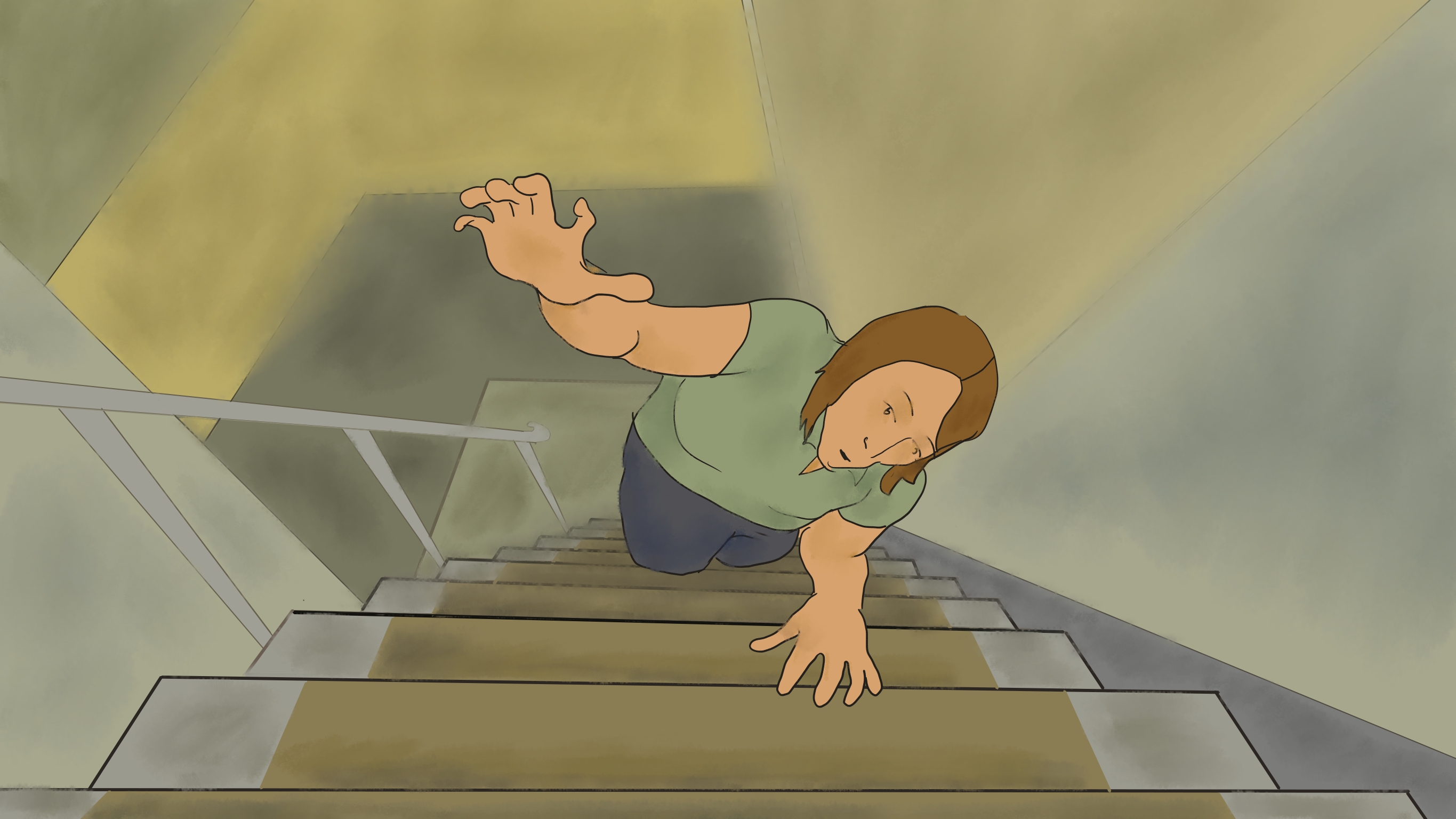
I’ve started working on the preliminary stages of thinking about expanding the film into a full feature-length documentary. There’s so much of this story that I collected that I was unable to tell in the very short runtime of this 5-minute short film. There’s so much of the context of AIDS and LGBT history in the 80s and 90s, and so much content and so many beautiful moments within the interviews I conducted that I didn’t include in this original short but that I think deserve to be told in a much larger, all-encompassing piece. So I’m getting in motion the early stages of beginning that much larger undertaking. I also have a new short animated documentary that I’ve begun thinking through, about the 1945 accidental crash of a military bomber plane into the Empire State Building, and my great-grandfather’s experiences with that. He was working on the 79th floor when the plane hit the skyscraper, and died after helping his colleagues out of the building. It’s an event that has had such huge ripple effects on the fabric of my family’s history but that has been little examined, both within my family and in the larger context of general history, and I really want to tell that story. I’ve just begun some preliminary animation experiments and research on the topic, and like with Doug + Me, plan to explore that larger piece of history through the lens of mine and my family’s own personal experience.

You can follow Cecile Fountain-Jardim’s work on Instagram and on her website.
Interview by Carla MacKinnon.